Reliable 12 Testers for Closed Testing in Germany
Meet Play Console closed testing eligibility for your Thunkable app in Germany with 12 verified testers performing active daily interactions on real Android hardware and verified 14 day engagement for production access approval.
To publish your app on Google Play, new developer accounts must run a closed test. You need at least 12 testers to opt-in and stay active for 14 straight days. This can feel like a sudden and difficult barrier, especially for solo developers. Finding reliable people who will actually follow through is the hardest part.
This guide breaks down exactly how to find reliable testers, avoid common pitfalls, and get your app published without the headache. We will focus on getting a solid group of 12 to 14 active testers, which is a safe number to ensure you meet Google's 12-tester opt-in rule.
12 testers for closed testing on your Thunkable project
Getting your app ready for launch is a huge achievement. Then you hit the testing requirement. It's a common frustration for developers because it shifts your focus from coding to managing people.
Here are the main challenges:
- Friends and Family Aren't Reliable: You can ask friends and family, and they'll probably say yes. But will they remember to install the app? Will they keep it on their phone for two full weeks? Life gets in the way. You often have to send annoying reminder messages, which can feel awkward.
- Public Forums are Risky: You could post on Reddit or Facebook groups. You might find people willing to help, but you can't be sure who they are. Many are just looking for a quick swap and won't stick around for 14 days. This method is unpredictable.
- Cheap Gigs are Often Bots: Some platforms offer testers for a very low price. Be careful. Many of these are not real people. They use automated scripts or virtual devices to install your app. Google's system is smart and can easily detect this fake activity. Using bots can get your test rejected or even put your developer account at risk.
The goal isn't just to get 12 emails. It's to get 12 real people to join your test and have a core group of them stay active for 14 days. That’s the only way to satisfy the requirement and move on to publishing your app.
What Google Considers a "Reliable Tester"
Google doesn't give a super-detailed definition, but based on their policy and developer experiences, a reliable tester is someone who:
- Has a Real Google Account: The account should have a history and look like a genuine user, not something created yesterday.
- Opts-In to Your Test: They must accept your invitation through the link you provide. Just adding their email to a list isn't enough.
- Installs the App: After opting in, they have to download and install your app from the Play Store.
- Stays in the Test for 14 Days: This is the most important part. They must remain an active tester for 14 consecutive days. Uninstalling the app on day 10 resets the clock for that tester.
Getting a person to complete all four steps is the challenge. If even a few of your 12 testers drop out early, you might not meet the requirement, and your 14-day clock could reset. This is why having a buffer of reliable testers is so important.
The Three Paths to Finding Your Testers
You have three main options for finding people for your closed test. Each has its own pros and cons.
1. The DIY Method: Friends, Family, and Online Communities
This is the "do-it-yourself" approach. You personally reach out to people you know or find testers in online communities.
- Pros: It's free. You have a direct connection with the testers.
- Cons: It takes a lot of time and effort to manage. People you know might forget or feel pressured. People from online forums can be unreliable and may disappear after a day or two. You'll spend a lot of time tracking who has installed the app and sending reminders.
2. The Marketplace Method: Fiverr and Other Gig Sites
This involves hiring freelancers from sites like Fiverr who offer app testing services.
- Pros: It seems cheap and fast. You can find people who promise 12 testers overnight.
- Cons: This is the riskiest option. The vast majority of these gigs use bots or low-quality accounts. Google can easily flag this activity. If Google detects that your testers are not genuine, you will fail the requirement and waste your money. It's a gamble that rarely pays off.
3. The Professional Service Method: Using a Dedicated Company
This involves paying a specialized service that provides a pool of vetted, real-human testers specifically for the Google Play closed testing requirement.
- Pros: It's reliable and hands-off. The service manages the entire process, from inviting testers to ensuring they stay active for 14 days. It saves you time and removes the risk of using bots.
- Cons: It costs more than the other options. However, you are paying for peace of mind and a guaranteed result.
Comparing Your Options: Service vs. DIY vs. Bots
Here’s a simple breakdown to help you decide which path is best for you.
| Feature | AppConsoleLab's Service | Finding Testers Yourself (DIY) | Fiverr Bots |
|---|---|---|---|
| Reliability | ✅ High (Guaranteed real users) | ⚠️ Medium (Depends on your network) | ❌ Very Low (Often fake accounts) |
| Speed | ✅ Fast (Process starts in hours) | 🐢 Slow (Can take weeks to find people) | 💨 Fast (But ineffective) |
| Your Effort | ✅ Low (They manage everything) | 🥵 High (You manage everyone) | ⚠️ Medium (You still have to manage the gig) |
| Risk of Rejection | ✅ Very Low | ⚠️ Medium | ❌ Very High |
| Cost | $$ (Paid Service) | Free (But costs you time) | $ (Cheap, but you get what you pay for) |
Struggling with the 14-Day Testing Requirement?
Skip the hassle of recruiting unreliable testers. Our professional fleet of real Android devices guarantees Google Play compliance in exactly 14 days. Zero bots. Zero emulators. 100% production approval guarantee.
A Clear Plan for Your Closed Test
No matter which method you choose, you need a clear plan. Following these steps will make the process smoother and increase your chances of success.
Phase 1: Pre-Test Setup
Phase 2: Running the 14-Day Test
Managed Service vs. Self-Recruited: What's the Real Difference?
It comes down to one thing: who carries the responsibility. Understanding this difference is key to choosing the right path for your launch.
Managed Testing Service
Self-Recruited Testers
Your Step-by-Step Roadmap to Publishing
Getting through the closed testing requirement is a clear, multi-step process. Here is what the journey looks like from start to finish.
Prepare Your App Build
Set Up Your Closed Test
Gather Your Tester Emails
Invite Testers & Monitor Opt-Ins
The 14-Day Testing Period
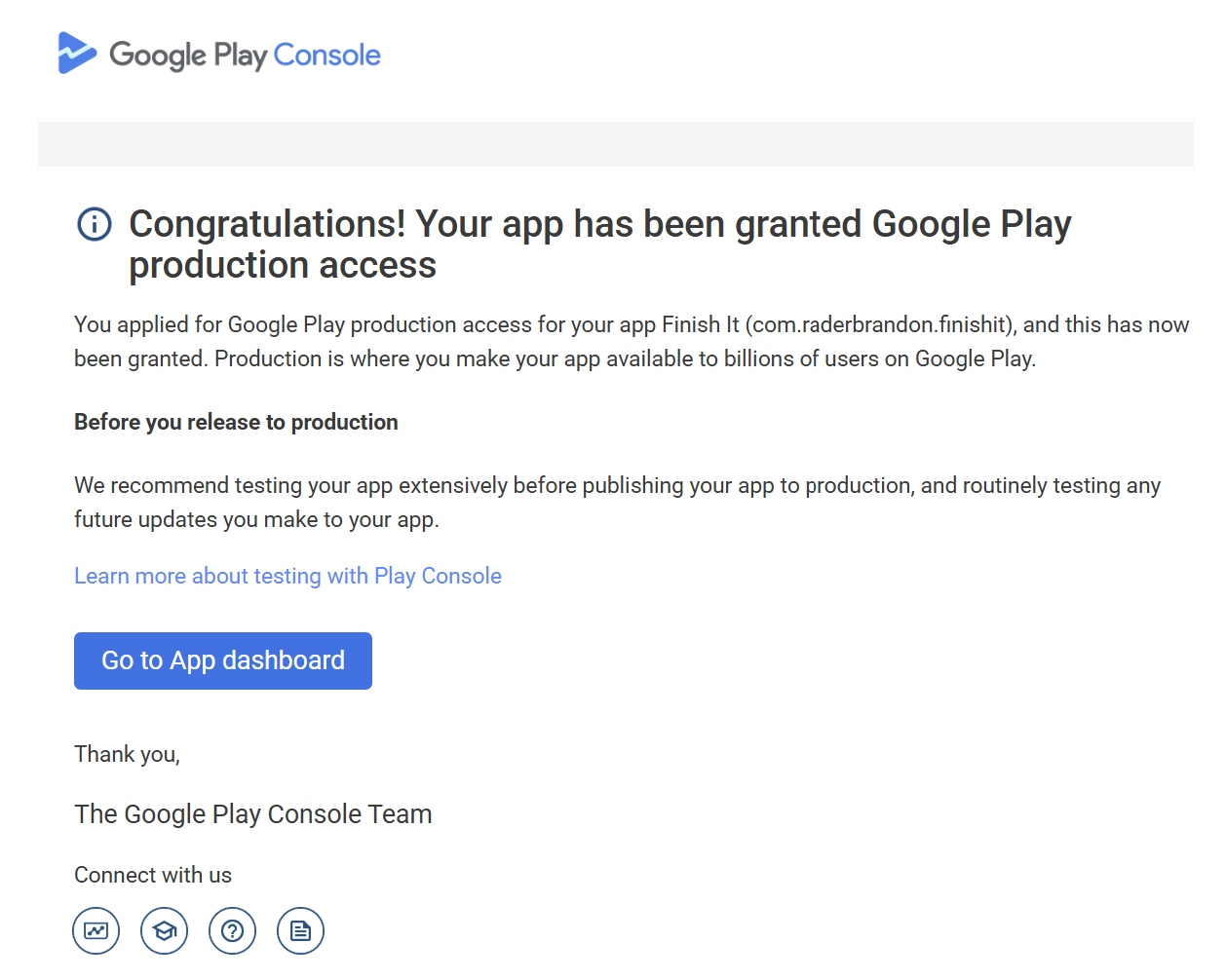
Apply for Production
Why Do People Search for '12 Testers'?
Google's rule clearly states you need 12 testers. So why do so many developers search for '12 testers' or '14 testers'?
The reason is about guarantees and efficiency. Developers know that not everyone who agrees to test will actually follow through. Out of 12 people you invite, some might forget, some might uninstall the app early, and some might never opt-in at all.
When you hire a professional service, you are often paying for a guaranteed number of successful testers. A good service might invite 25 or 30 people to ensure that at least 12, 14, or more make it through the entire 14-day period successfully. This buffer is what provides peace of mind.
Searching for '12 reliable testers' is shorthand for finding a service that guarantees a successful outcome, not just a list of emails. If you're comparing options, it's wise to look at the best Google Play closed testing services compared (2026) to see who offers the best guarantees.
Ultimately, passing Google's testing requirement is a necessary step to get your app into the hands of users. While it can seem like a frustrating delay, approaching it with a clear strategy makes all the difference. Using a reliable service is often the fastest and safest way to clear this hurdle and get back to what you do best: building great apps.
Do I need to give testers a new version of the app every day?
What happens if some of my testers uninstall the app early?
Can I run the closed test with an incomplete or demo version of my app?
How do I know when the 14-day requirement is officially complete?
Is it safe to give my apps testing link to a third-party service?
Do I have to pay the testers myself?
How We Deliver 12 Testers
How we deploy real devices and guarantee compliance for your release.
Connect Account
Sign in with Google to configure the closed testing environment for your Thunkable build in Germany.
Assign Testers
Submit your Google Play Console testing link, and our team will assign qualified testers from our testing network to join your Thunkable closed testing release.
Daily QA Runs
A QA supervisor monitors daily check-ins, ensuring 12 unique Android users engage with your Thunkable build every single day.
Launch Ready
We guarantee 14 consecutive days of active user check-ins to satisfy Google's compliance policies, delivering an audit-ready PDF feedback report.
Our Testing Infrastructure
Experience a next-generation testing infrastructure built for Google Play compliance for your Thunkable release in Germany.
The 14-Day Production Guarantee
We complete the required 14-day closed testing process with real human testers and physical Android devices, while providing clear testing evidence and documentation throughout the process.
If Google specifically rejects production access due to insufficient testing engagement, you are covered by our free re-run or 100% refund guarantee, subject to our Refund Policy.
Verified Production Access
Quality QA Testing Reports
Clear, actionable reports with screenshots and evidence for every important issue found during testing.
Real Device Testing & Diagnostics
Real human testers use physical Android devices to test your app, verify real user flows, and provide clear testing evidence and professional QA reports.
Compliance Audit Passed
Get your Thunkable build approved on the first try. We create an audit-ready compliance profile that proves thorough quality assurance.
Affordable Compliance Cycles
Transparent plans built to satisfy Google Play Console guidelines for your Thunkable build.
Loading Packages
Please wait while we fetch the best options for your region...
Frequently Asked Questions
Everything you need to know about passing your closed testing requirements.