Authentic Closed Testing Services in the UK
Pass Google Play closed testing guidelines for your Cordova app in the UK using 12 testers to generate genuine daily activity on physical Android handsets and genuine 14-day QA activity to guarantee production access clearance.
Google play closed testing requirements for Cordova apps
Google Play requires new personal developer accounts to run a closed test before they can publish an app. This test needs at least 12 people to opt-in and stay opted-in for 14 consecutive days. This isn't just a suggestion; it's a hard requirement to get your app live.
The goal for Google is simple: they want to filter out low-quality or malicious apps. They want to see that real people are willing to install and keep your app on their phones for two weeks. This shows them your app has some basic level of quality and isn't just spam. For you, the developer, this can be a huge, unexpected hurdle. Finding 12 reliable people is tough. Making sure they all stay active for two straight weeks is even harder. That's where authentic closed testing services come in.
Why This Rule is a Headache for Developers
Let's be honest, this requirement can feel like a major roadblock. You've finished building your app, and you're excited to launch. Then you discover you need to find a small army of testers.
Here are the specific pain points developers face:
- Finding 12 people: Asking friends and family is the first thought, but you quickly run out of people. They might agree but then forget to opt-in. It's a lot of chasing and reminding.
- The 14-Day Consecutive Rule: This is the real challenge. If a single tester opts out on day 13, your 14-day counter might reset for everyone. You have to start all over again. It's frustrating.
- Engagement is Key: Google doesn't just want 12 names on a list. Their systems look for signals that these are real people using real devices. If they suspect you're using bots or fake accounts, they could reject your app or even suspend your developer account.
- The Risk of Scams: Many cheap services on freelance sites use bots or virtual devices. This is incredibly risky. Google's systems are smart and designed to detect this kind of activity. A $5 testing gig could cost you your entire developer account.
This process isn't just about ticking a box. It's your app's first impression on Google's quality control systems. Getting it right from the start is important for a smooth launch.
What Are Authentic Closed Testing Services?
An authentic closed testing service provides a managed group of real people to help you meet Google's 12-tester requirement. These aren't bots. They are individuals with their own Google accounts and real Android devices.
Here’s how a legitimate service works:
- You provide your app's opt-in link.
- The service distributes the link to its network of verified testers.
- At least 12 testers opt-in to your closed test.
- The service manages the testers to ensure they remain opted-in for the full 14 days.
- You can monitor the progress in your Google Play Console and see when the requirement is met.
The main benefit is peace of mind. You hand off the most time-consuming and frustrating part of the pre-launch process to experts. This frees you up to focus on improving your app, preparing your marketing, or working on your next project. It removes the risk of using shady bot services and ensures you comply with Google's rules safely.
The Three Paths to Closed Testing: A Quick Comparison
When you're faced with this requirement, you have three main options. Each has its own pros and cons.
| Feature | AppConsoleLab's Service | Finding Testers Yourself (DIY) | Fiverr Bots |
|---|---|---|---|
| Reliability | Very High. Guaranteed to meet the 14-day requirement. | Low. People forget, lose interest, or opt out. | Very Low. High risk of bots being detected. |
| Speed | Fast. Testers usually opt-in within 24-48 hours. | Slow. Can take weeks to find and coordinate 12 people. | Very Fast. Bots can opt-in within minutes. |
| Google Compliance Risk | Very Low. Uses real people on real devices. | Low. Testers are real, but management is the issue. | Extremely High. Risk of app rejection or account ban. |
| Cost | A fixed, one-time fee for a guaranteed service. | Free (in money), but very expensive in time and stress. | Cheap, but you risk losing your $25 developer fee and account. |
| Stress Level | Minimal. It's a "set it and forget it" solution. | High. Constant checking, reminding, and worrying. | High. You'll be worried about getting caught. |
| Quality of Testers | Real, verified individuals with active Google accounts. | Friends & family who may or may not be your target user. | Fake or low-quality accounts, often on emulators. |
Phase 1: Preparing Your App
Phase 2: Setting Up the Google Play Console
Choosing the right path depends on your resources and risk tolerance. While the DIY approach costs no money, it can cost weeks of your time. Bot services are cheap but gamble with your entire developer career. For most serious developers, a professional service is the most efficient and safest choice. You can see a full breakdown in our guide on the Best Google Play Closed Testing Services Compared (2026).
Struggling with the 14-Day Testing Requirement?
Skip the hassle of recruiting unreliable testers. Our professional fleet of real Android devices guarantees Google Play compliance in exactly 14 days. Zero bots. Zero emulators. 100% production approval guarantee.
Active Engagement vs. Passive Opt-in: What Google Really Wants
Meeting the 14-day rule involves more than just having 12 names on a list. Google's algorithms are sophisticated. They look at user behavior to determine if your testers are legitimate. This is where the difference between passive and active testing becomes important.
Passive Opt-in
Active Engagement
Authentic testing services encourage testers to perform light, active engagement. This small difference can have a big impact on how smoothly your app passes review. It shows you're not just trying to game the system; you're using the testing process as intended.
The 14-Day Journey: A Step-by-Step Timeline
What does the process look like when you use a service? It's surprisingly straightforward. Here’s a typical timeline from start to finish.
Submit Your App Info
Tester Invitation
12+ Testers Opt-In
The 14-Day Monitoring Period
Requirement Complete
Apply for Production
The Dangers of Cheap Bot Services
It can be tempting to search for a cheap $5 or $10 solution on a freelance marketplace. Be very careful. The vast majority of these gigs use bots, emulators, or a pool of low-quality, overused accounts to meet the numbers.
Here’s how Google can easily detect this kind of fraud:
- IP Address Patterns: If all 12 of your 'testers' sign up from the same IP address or from data centers known for hosting bots, it raises an immediate red flag.
- Device Emulation: Google can often tell the difference between a real physical phone and a software emulator running on a computer. A test with 12 emulated devices looks highly suspicious.
- Account History: Real people have Google accounts with years of history—they download apps, watch YouTube, and use Gmail. The accounts used by bot farms are often brand new or have bizarre activity, like testing hundreds of random apps per week.
- Synchronized Behavior: If all 12 testers opt-in within the same 5-minute window and show no other activity, it's a clear sign of automation.
The consequence of getting caught is severe. At best, your app will be rejected, and you'll have wasted time and money. At worst, Google will terminate your entire developer account, and you'll lose your $25 registration fee and the ability to publish any apps in the future. It's a risk that is never worth the small amount of money saved.
Investing in an authentic service is an investment in your app's future and the health of your developer account. It ensures you start your relationship with Google on a foundation of trust and compliance, setting you up for long-term success on the Play Store.
What happens if a tester from the service opts out during the 14 days?
Do I need to give the testing service my apps source code or my Google account password?
Can I update my app by uploading a new build during the closed test?
How much do authentic closed testing services usually cost?
Does completing the 14-day test guarantee my app will be approved?
Why cant I just use my friends and family to test?
The Testing Pipeline
A straightforward 4-step process to get your Cordova app approved.
Sign In
Connect your Google account and choose your preferred closed testing package for your Cordova app.
Opt-In URL
Share your Play Store opt-in URL. We immediately deploy 12 real testers to launch and review your Cordova app daily.
Testing Begins
Our crew initiates daily launch sessions on physical devices, verifying usability and logging crashes for your Cordova app.
Compliance Complete
We continuously perform closed app testing for 14 days to help you meet Google Play production requirements. We also provide a compliance report.
Why Developers Trust Us
Deploy your Cordova app onto real retail-grade handsets using our secure laboratory environment.
The 14-Day Production Guarantee
We complete the required 14-day closed testing process with real human testers and physical Android devices, while providing clear testing evidence and documentation throughout the process.
If Google specifically rejects production access due to insufficient testing engagement, you are covered by our free re-run or 100% refund guarantee, subject to our Refund Policy.
Verified Production Access
Quality QA Testing Reports
Clear, actionable reports with screenshots and evidence for every important issue found during testing.
Real Device Testing & Diagnostics
Real human testers use physical Android devices to test your app, verify real user flows, and provide clear testing evidence and professional QA reports.
Guaranteed App Approval
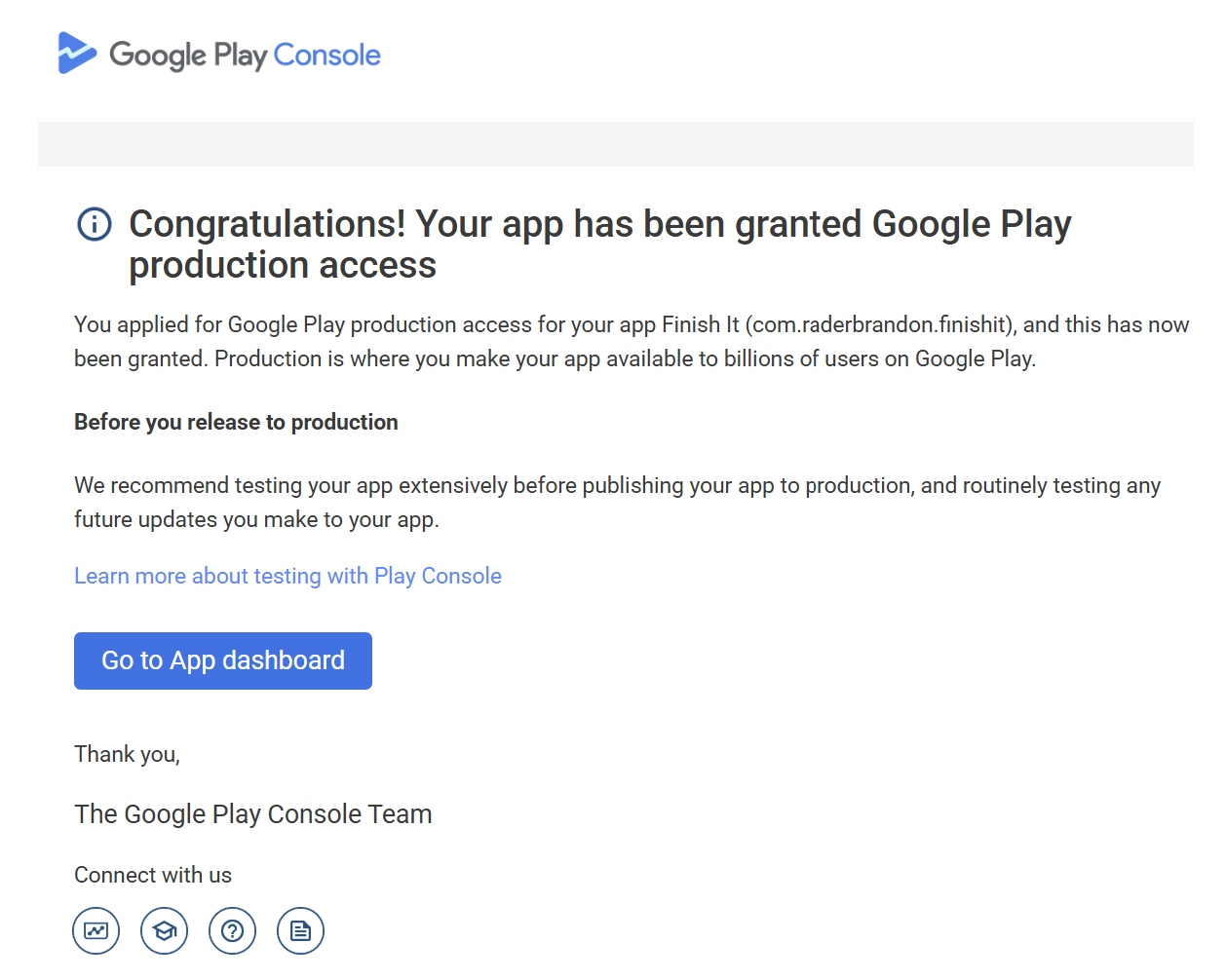
Transition your Cordova app to public production access with confidence. We deliver verified session logs and compliant Console activity.
One Cycle. Complete Approval.
Choose the ideal closed testing cycle for your Cordova release in the UK.
Loading Packages
Please wait while we fetch the best options for your region...
Frequently Asked Questions
Everything you need to know about passing your closed testing requirements.